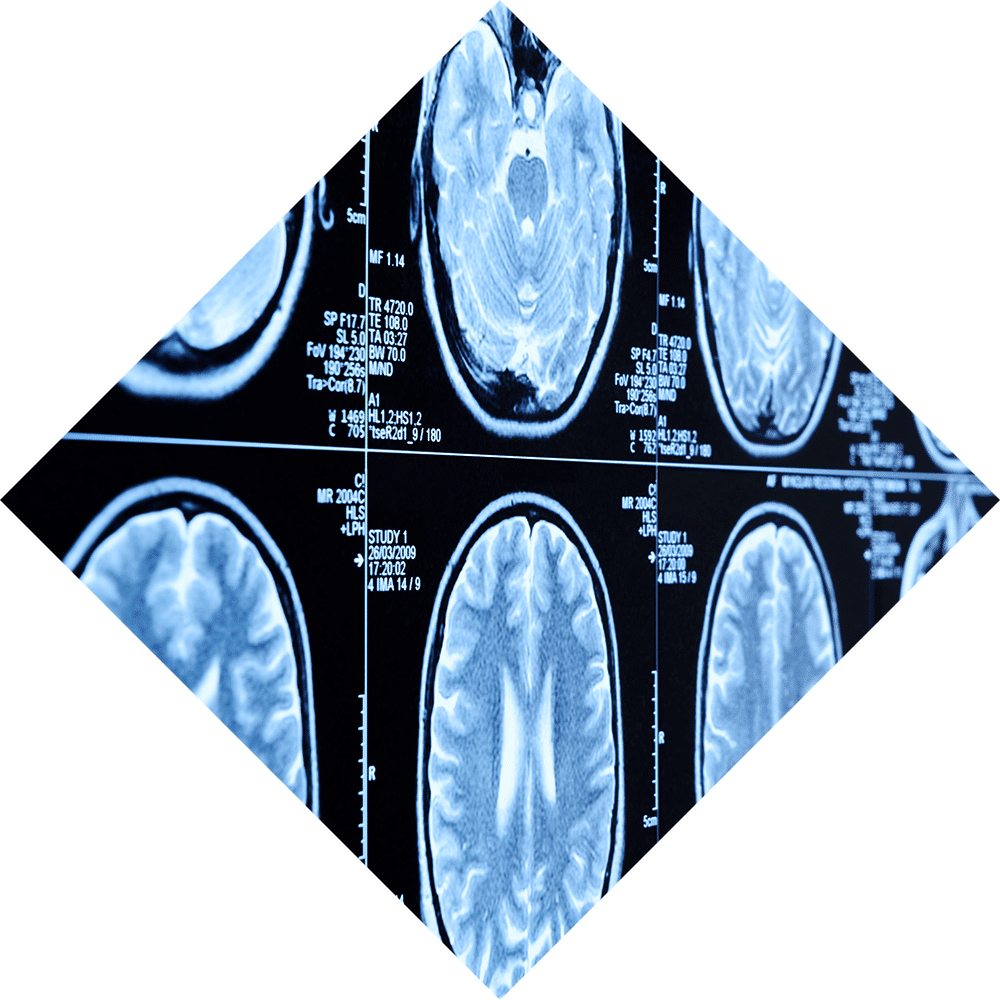
Stroke is the third leading cause of death and one of the leading causes of disability in the United States. However, knowing the signs of a stroke can help you avoid becoming one of those statistics. If you suspect that you or, someone you know, is suffering from stroke symptoms then immediate medical attention is key to both survival and recovery.
What is stroke?
A stroke, or “brain attack,” occurs when a blood clot blocks an artery (ischemic stroke) or a blood vessel ruptures (hemorrhagic stroke), interrupting blood flow to an area of the brain. When this happens, brain cells begin to die, and brain damage occurs. When those cells die, abilities controlled by that area of the brain are lost.
Signs of a stroke
A sudden onset of neurological changes means you need to get to the hospital immediately.
“Sudden” is a key aspect of evaluating symptoms. Depending on what part of the brain is affected, stroke symptoms may include:
- Numbness or weakness of the face, arm or leg, especially on one side of the body
- Confusion
- Difficulty speaking or understanding
- Vision problems on one side
- Trouble walking, dizziness or loss of balance
- Severe headache with no known cause
Whether the stroke is minor or more significant also determines the severity of the symptoms and outcome.
Identifying stroke symptoms
Here is a checklist to run through if you suspect stroke is occurring:
- Face – Ask the person you suspect of stroke to smile. Does one side of their face droop?
- Arms – Ask the person to lift one arm. Does one arm drift downward?
- Speech – Ask the person to repeat a simple phrase. Is their speech slurred?
- Time – If you see any of these signs, contact 911 immediately.
The key is getting to a hospital as fast as possible.
Receiving medical care within the first three hours of symptom onset improves the chances of stopping the stroke with anti-coagulant drugs. Immediate care also increases the odds for recovery, though two-thirds of survivors will face some sort of disability.
Role of a neurosurgeon in stroke treatment
Because of the nature of strokes and what causes them, a skilled and experienced neurosurgeon may be exactly what is necessary to alleviate symptoms and allow the brain and body to begin to heal.
A neurosurgeon, such as the experienced and skilled practitioners at Longstreet Clinic, can counter stroke by performing a procedure to bypass and opening blocked vessels threatening the brain. This operation will also help control bleeding in some types of hemorrhagic strokes.
Neurosurgeons may also perform a procedure known as mechanical thrombectomy, in which a catheter is threaded through the artery to the point of the clot. A stent is inserted into the catheter, which can trap and remove the clot.
What to know about post-stroke treatment
The Longstreet Clinic Neuroscience & Orthopedic Center is uniquely positioned to aid in rehabilitation following a stroke. Physical rehab, including physical therapy, can do much to help compensate for a stroke’s side effects. However, rehab cannot completely reverse brain damage caused by a stroke.
Neurosurgeons can also help patients who have survived stroke to heal quicker. This comes in the form of neural implantation. During this procedure, surgeons emplace engineered nerve cells are in stroke-damaged areas of the brain to replace nerve cells killed by a stroke.
Thanks to the development of Longstreet Clinic’s Neuroscience and Orthopedic Center, our neurosurgeons work side by side with other highly trained healthcare professionals that can help you following your neurosurgical procedure. That includes Physical Medicine and Rehabilitation (PM&R), Interventional Pain Management specialists, and physical therapists. The combination of these care providers are dedicated to helping you overcome your stroke concerns and get you back to full health.
Stroke prevention
The best way to deal with stroke is to do your best to avoid it. And the good news is that up to 80 percent of strokes can be prevented. While strokes occur most often in older people, young people can be affected as well. A person’s chances of having a stroke increase if he or she has risk factors, whether controllable or uncontrollable.
Risk factors for stroke
Risk factors include but are not limited to:
- Hypertension (high blood pressure)
- Diabetes
- High cholesterol
- Smoking
- Family history
- Age
- Atrial fibrillation
- History of TIAs or “mini strokes”
We have no control over things like age and family history. But we can make lifestyle modifications such as controlling high blood pressure and heart disease through diet and exercise, quitting tobacco or having the proper medications/surgical procedures. If you are deemed at risk for a stroke, your physician may recommend a carotid artery ultrasound to identify any blockages that could result in a stroke.
Knowing and understanding the signs and symptoms of stroke is key for everyone. For more information about stroke, visit the National Stroke Association. To reach Longstreet Clinic to discuss a consultation, call us at 678-207-4100.